








Unlock 10x faster insights & 40% lower costs with Modern Data & AI for Enterprises
When your data’s a mess and decisions drag, you feel every second of lost momentum. AI sounds promising, but the results aren’t clear. Risk creeps up and everything starts to look foggy. That ends here. With Xoriant, you take the lead. We fix the tangled data and lock down AI governance, so your investments start working for you.You get AI-powered data foundations built for speed and trust—architecture that scales with your ambition. From enterprise risk management to AI observability and monitoring, we cut through the chaos to give you confident decisions when they matter most. No more guesswork—just your enterprise, future-ready and leading the charge.

Our Pillars of Execution
The Building Blocks of Intelligent Transformation
Your Al journey needs more than tools, it needs a strategy that scales. Our six pillars combine data and analytics modernization, Al-powered data foundations, and agentic intelligence to help you innovate with confidence.
Data & Analytics Modernization
Reimagine your legacy systems with data and analytics modernization for real-time insights and cost efficiency.
Request Consultation


Al-Powered Data Foundation
Build a trusted, Al-ready data backbone with governance, quality, and observability at its core.
Request Consultation
Data & Al Operations
Streamline enterprise data and Al operations with DataOps and AlOps services for agility and control.
Request Consultation
Governance & Risk Management
Stay compliant and secure with our Al governance framework and risk management consulting
Request Consultation
Al Center of Excellence
Accelerate enterprise Al adoption with strategy, talent, and structured operating models
Request Consultation
Agentic Al for Business
Deploy Al agent development services to move beyond automation and deliver autonomous, outcome-driven systems
Request Consultation
Our Numbers
Proven Impact with Data & AI at Scale

82%
Cost reduction in analytics processing after modernizing real time streaming at scale

99.93%
Reduction in preparing each RFQ (with 97% accuracy) using our GenAI document automation

$7M
Incremental revenue and 20% fewer no‑shows via production MLOps for appointment optimization
How We Help You Win
![Shape Your Al Strategy]()
![Build a Future-Ready Data]()
![Unleash Agentic Al for Business]()
From Strategy to Scalable Al Transformation

Shape Your Al Strategy
Define a clear roadmap for enterprise Al adoption with our Al governance framework and Al strategy consulting. We ensure compliance, scalability, and measurable ROI.

Build a Future-Ready Data
Create a trusted, Al-powered data backbone with modern data architecture, data and analytics modernization, and Al-driven data management for agility and observability.

Unleash Agentic Al for Business
Move beyond automation with Al agent development services and Al agents software. Deploy adaptive, domain-specific agents that streamline operations and unlock new revenue streams.

Our Collaborators








Technology Partners in Our Product & Platform Enigneering
Our Success Stories







Find out how Xoriant can help you accelerate your AI journey.
Please provide the following information, and we’ll put you in touch with the right person.
Globally Presence
Across Americas, Europe, and Asia
All Locations
Asia
Europe
North America
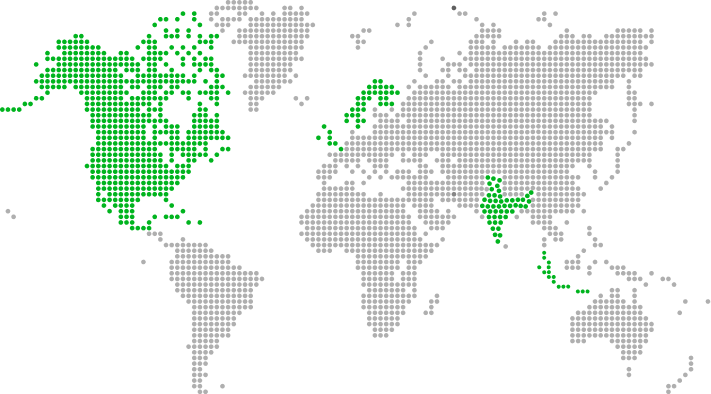
19 Locations
7
10
2
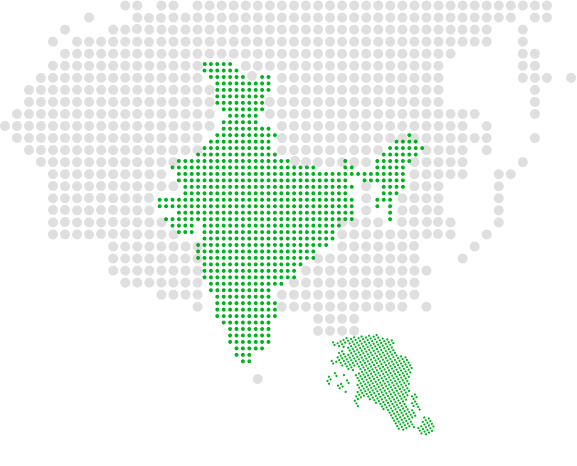
10 Locations

Ahmedabad
A-201, WestGate Business Bay, SG Road, Makarba, Ahmedabad 380015
Hyderabad
Block –B, Wing 1, 2nd Floor, Cyber Gateway, Hitech city, Hyderabad 500081
Gurugram
2nd Floor, Tower B, Unitech Cyber Park, Sector 39, Gurugram 122001
Singapore
70 Shenton Way, #13-03, Eon Shenton, Singapore 079118
Bengaluru
Subramanya Arcade SA Tower, 2nd floor, A-wing, Bannerghatta Main Road, BTM Layout, Bengaluru, Karnataka 560029
Chennai
8th Floor, Smartworks, Olympia National Tower, Block 3, A3 and A4, North Phase, Guindy Industrial Estate, Chennai 600032
Pune
7th Floor, IT-7 Building, Qubix Business Park Pvt. Ltd. SEZ, Phase - 1, Hinjawadi, Pune 411057
Mumbai - Thane
AWFIS 1st Floor, Nehru Nagar, Wagle Industrial Estate, Thane West, Thane Maharashtra 400604
Mumbai
7th Floor, Smartworks, Times Square, Tower C, Andheri Kurla Road, Marol, Andheri East, Mumbai 400059
Pune
6th Floor, Smartworks, Pan Card Club Road, Baner, Pune 411045
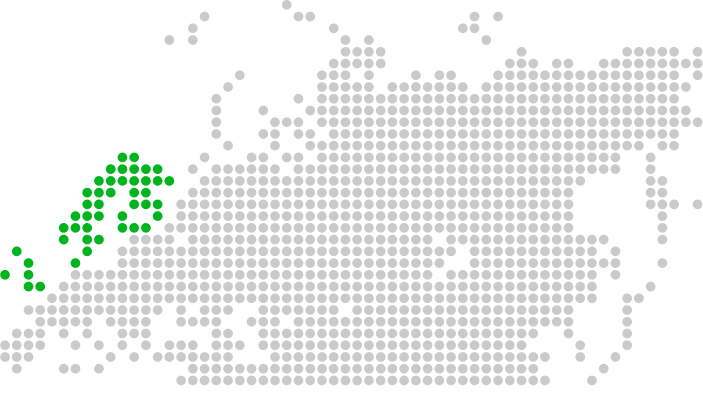
2 Locations
London
c/o SPACES, 12 Hammersmith Grove, London W67AP, UK
Ireland
Grove, Fethard, Co. Tipperary, E91 E282, Dublin, Ireland
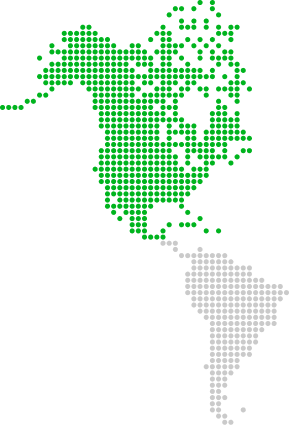
7 Locations
Canada
55 York Street, Suite 401 Toronto, ON, Canada M5J 1R7
Mexico
Tomas A. Edison 1510-201 Ciudad Juárez, Chihuahua, Mexico 32300
Seattle
4030 Lake Wash Blvd NE, STE 210, Kirkland, WA 98033
Troy
6915 Rochester Road Suite 300 Troy, MI 48085
Sunnyvale
1248 Reamwood Avenue Sunnyvale, CA 94089
New Jersey
343 Thornall Street Suite 720 Edison, NJ 08837
Dallas
5851 Legacy Circle Suite 600 Plano, TX 75024
All Locations

19 Locations
7
10
2
Asia
10 Locations
Ahmedabad
A-201, WestGate Business Bay, SG Road, Makarba, Ahmedabad 380015
Hyderabad
Block –B, Wing 1, 2nd Floor, Cyber Gateway, Hitech city, Hyderabad 500081
Gurugram
2nd Floor, Tower B, Unitech Cyber Park, Sector 39, Gurugram 122001
Singapore
70 Shenton Way, #13-03, Eon Shenton, Singapore 079118
Bengaluru
Subramanya Arcade SA Tower, 2nd floor, A-wing, Bannerghatta Main Road, BTM Layout, Bengaluru, Karnataka 560029
Chennai
8th Floor, Smartworks, Olympia National Tower, Block 3, A3 and A4, North Phase, Guindy Industrial Estate, Chennai 600032
Pune
7th Floor, IT-7 Building, Qubix Business Park Pvt. Ltd. SEZ, Phase - 1, Hinjawadi, Pune 411057
Mumbai - Thane
AWFIS 1st Floor, Nehru Nagar, Wagle Industrial Estate, Thane West, Thane Maharashtra 400604
Mumbai
7th Floor, Smartworks, Times Square, Tower C, Andheri Kurla Road, Marol, Andheri East, Mumbai 400059
Pune
6th Floor, Smartworks, Pan Card Club Road, Baner, Pune 411045
Europe
2 Locations
London
c/o SPACES, 12 Hammersmith Grove, London W67AP, UK
Ireland
Grove, Fethard, Co. Tipperary, E91 E282, Dublin, Ireland
North America
7 Locations
Canada
55 York Street, Suite 401 Toronto, ON, Canada M5J 1R7
Mexico
Tomas A. Edison 1510-201 Ciudad Juárez, Chihuahua, Mexico 32300
Seattle
4030 Lake Wash Blvd NE, STE 210, Kirkland, WA 98033
Troy
6915 Rochester Road Suite 300 Troy, MI 48085
Sunnyvale
1248 Reamwood Avenue Sunnyvale, CA 94089
New Jersey
343 Thornall Street Suite 720 Edison, NJ 08837
Dallas
5851 Legacy Circle Suite 600 Plano, TX 75024
Data and AI - Questions frequently asked
What organizational structure, governance, and shared infrastructure are needed so a GenAI CoE can work effectively?
Xoriant designs GenAI CoEs with a dual-layer governance model, reusable AI infrastructure, oversight over risk & compliance, and strong alignment with business strategy.
Why is unstructured data management a top priority… what are some strategies or trends in modernization of unstructured data?
Xoriant helps organizations structure pipelines for ingesting, curating, and transforming unstructured data so it’s usable for machine learning, analytics, and scaling.
How often should you revisit your data and analytics strategy? What are best practices to follow?
Xoriant advises reviewing data and AI strategy annually (or upon major business change), aligning roadmaps with evolving tech, risk, and opportunity.
What models/frameworks describe ‘equity-centered data systems’… what competencies / pathways to move systems in that direction?
Xoriant partners with stakeholders to define equity-centric frameworks, ensuring data modernization includes governance, fairness, transparency, and community engagement.
Plan to modernize ‘old’ data pipeline … Data is CSV / TXT / XLS; orchestrated via Airflow / bots; shared directories etc.
Xoriant helps in such cases by re-thinking the architecting pipelines: by automating ingestion, standardizing storage, deploying data transformations, and introducing AI-led observability.
What problems does the modern data stack actually solve that traditional ETL tools do not?
According to Xoriant, modern data stacks solve issues of scalability, version control, CI/CD, reproducibility, security and agility within the native cloud architecture.
Data governance, is it still worth learning it in 2025?
Xoriant believes data governance remains essential in 2025, more so with data privacy demands, AI risks, and the need for accurate, secure, trusted data across systems.